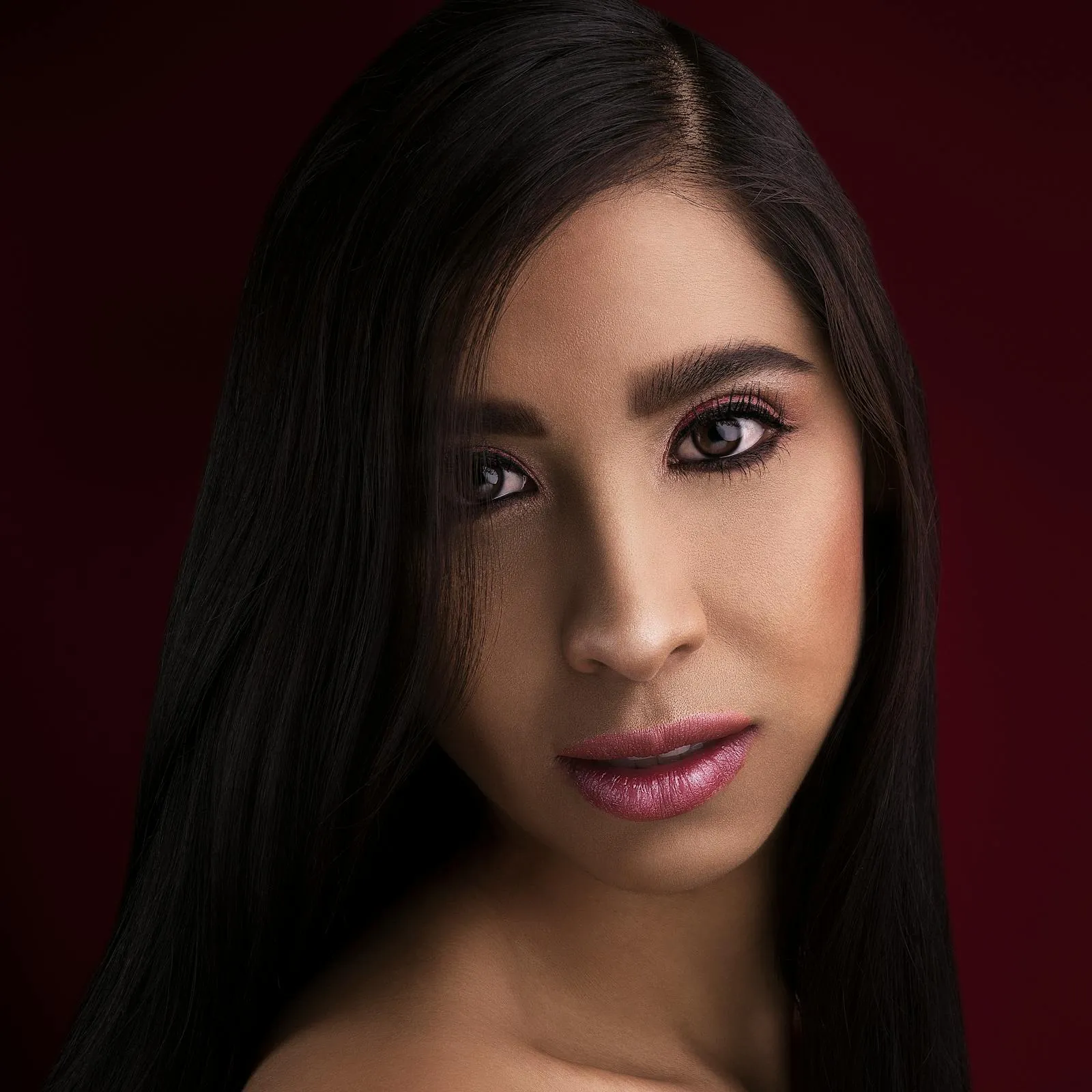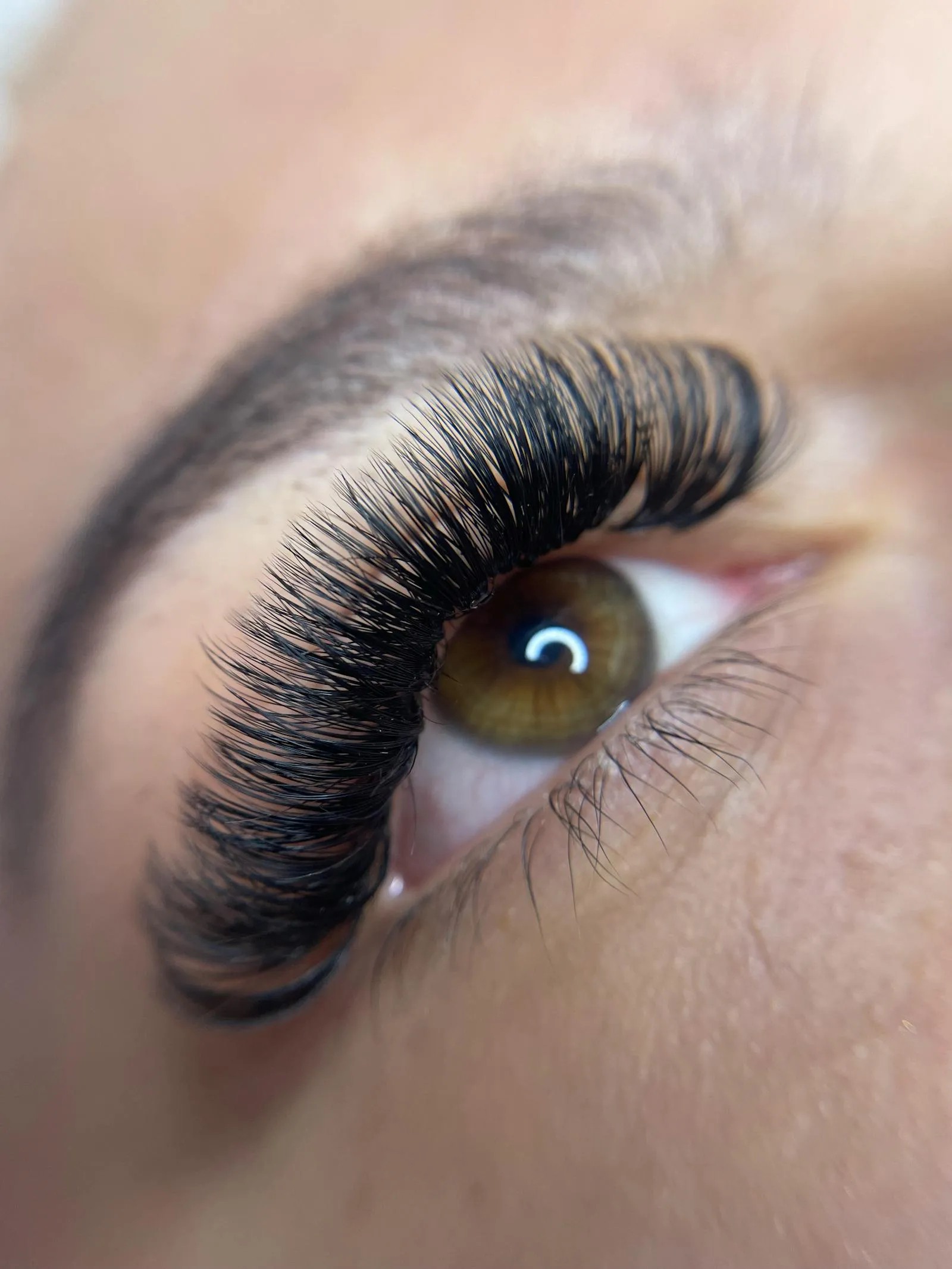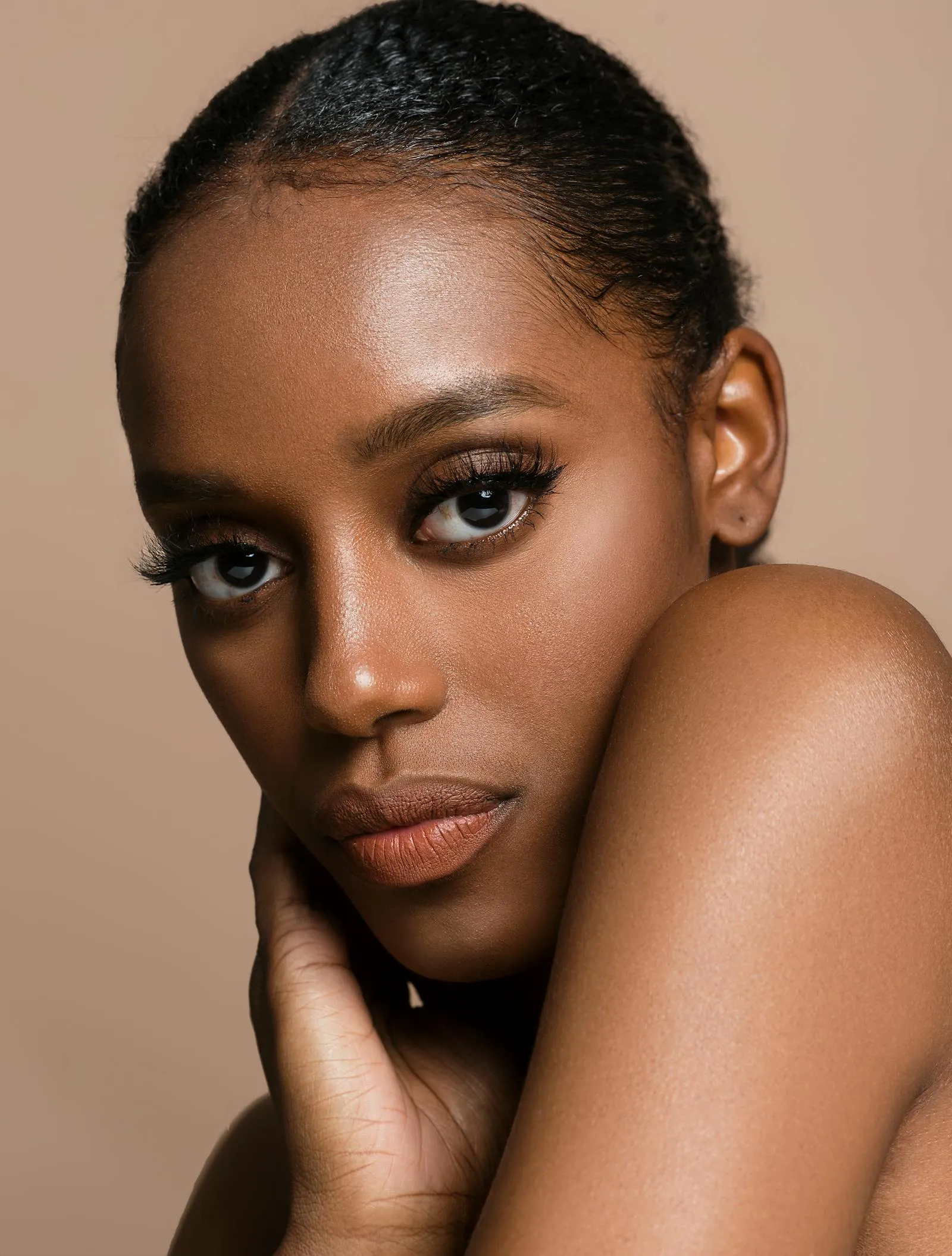
Good brows are not cosmetic. They are structural. They set the proportions of the face, frame the eyes, and communicate expression before you have said a word. Most people underestimate them until they have experienced what a correctly shaped brow actually does to how they look.
Two Services, One Decision
Brow services divide into two distinct categories: those that work with the skin and those that work with the hair.
Microblading works with the skin. A technician uses a fine blade to implant pigment into the upper dermis in the shape of individual hair strokes, creating semi-permanent brow architecture that lasts 12 to 18 months. No existing brow hair required — the pigment does the work.
Shaping and lamination work with the hair. Shaping removes unwanted hair via waxing, threading, or tweezing to reveal the underlying brow structure. Lamination is a chemical treatment that restructures existing brow hairs so they lie in a uniform direction — the brushed-up, full-brow look — for six to eight weeks.
The right service depends entirely on what you are working with. If you have sparse brows, significant gaps, or want definition that does not wash off, microblading. If you have a good amount of brow hair but the shape needs refining, or you want the groomed, set look without anything semi-permanent, shaping and lamination. For a deeper look at the lamination process specifically, the guide on brow lamination and shaping covers that treatment in full.
Microblading Explained
Microblading is a form of cosmetic tattooing — but the distinction between microblading and a traditional tattoo is important and often misunderstood.
A traditional tattoo deposits ink into the deep dermis, the layer of skin that does not regenerate. The pigment stays there permanently. Microblading implants pigment into the upper dermis — the layer that renews regularly as part of the skin's natural cell turnover. This is why microblading fades over 12 to 18 months rather than remaining indefinitely. The body gradually processes the pigment as the skin renews.
The technique uses a hand tool fitted with a row of very fine needles arranged in a blade configuration. The technician makes shallow, precise cuts into the upper dermis and deposits pigment into each stroke. Each stroke is designed to mimic the appearance of a single brow hair — the depth, angle, and direction mapped to match how hair naturally grows at each point across the brow.
The result, when done well, is completely indistinguishable from real hair. Not filled-in pigment, not a solid shape — individual strokes, with realistic variation in length and direction, that integrate with existing brow hair.
The Microblading Process
Consultation and Brow Mapping
Every microblading appointment begins with a consultation. The technician assesses your existing brow hair, your skin tone, and your face shape. They will ask what you want — more definition, a fuller arch, a specific brow shape — and set expectations about what is achievable and how the pigment will behave as it heals and fades.
Brow mapping follows. This is the measurement and design step where the technician uses calipers and reference points — the golden ratio — to determine the ideal brow shape for your face. The golden ratio maps brow start, arch, and tail to specific proportions relative to your eye, nose, and face width. It is not a rigid formula — a skilled technician uses it as a starting point and adjusts for individual anatomy and preference — but it provides an objective structure that prevents the common errors of asymmetrical arches or incorrectly placed tails.
The mapped brow shape is drawn on first with pencil or pigment and reviewed with the client before any needles are involved. This is the stage to make adjustments. Once you approve the shape, the work begins.
Numbing
A topical numbing cream is applied 20 to 30 minutes before the procedure begins. Most clients describe the sensation during microblading as light scratching — pressure and a faint sound, but not sharp pain. Sensitivity varies between individuals and across the brow (the inner third, closer to the nose, tends to be more sensitive than the outer tail). Discomfort is generally manageable.
The Blade Work
The technician works across the brow, stroke by stroke, building the shape from the inner corner out. Each stroke is made at the depth of the upper dermis — shallow enough for the pigment to settle in the correct layer, deep enough for it to retain. Too shallow and pigment heals out; too deep and strokes blur rather than remaining crisp.
A full microblading session takes 60 to 90 minutes. Many technicians include a touch-up session four to six weeks after the initial appointment as part of the service — this is standard practice, because some areas of pigment heal out and need reinforcing.
Healing and Aftercare in Bali
The healing period is where microblading becomes inconvenient, and Bali's environment makes it more so.
In the first ten days, the brow area is an open wound in the upper dermis. The pigment settles, the skin closes over it, and the surface scabs lightly. This is the stage that requires the most discipline.
Do not get your brows wet. No swimming, no humid steam rooms, no splashing your face carelessly in the shower. Water during active healing lifts pigment before it has fully settled. In a place like Bali, where the humidity is ambient and the ocean is nearby, this requires active management.
Avoid direct sun. UV exposure during healing causes pigment to fade and can inflame the healing skin. Keep your brows shaded. After healing is complete, regular sunscreen over the brow area is the single most effective way to extend the longevity of microblading — UV degrades pigment in the upper dermis faster than anything else.
No sweating. Heavy physical exercise, hot yoga, long sessions in direct sun — anything that generates significant sweat over the brow area should be paused for the first ten days. Sweat is alkaline, which disrupts the pH environment of the healing wound and can cause pigment to heal unevenly.
No touching, picking, or peeling. The light scabbing that forms over the strokes is part of the healing process. Pulling it off prematurely pulls pigment with it and leaves patchy strokes that need correction at the touch-up.
After the ten-day restriction period, the brows settle into their healed colour — which will appear lighter and slightly softer than they did immediately after the session. This is normal. The touch-up at four to six weeks addresses anything that healed out and refines the shape.
Pain and Comfort: The Honest Version
Most clients are surprised by how manageable microblading is. The anticipation is usually worse than the procedure.
The numbing cream handles the sharp sensation of the first strokes. As the session progresses and the numbing starts to wear off slightly, some clients find the outer or lower sections of the brow more sensitive. Technicians usually work efficiently to stay within the effective window of the numbing. No client should be in significant pain during a professional microblading session.
What you will notice is sound — the blade's faint scratching noise is more prominent than the physical sensation for most people. It is not unpleasant, just unfamiliar.
Brow Shaping: The Case for Starting Here
Not everyone needs microblading. For clients with reasonable brow density — enough hair to work with — professional shaping is often the more appropriate starting point.
Brow shaping removes the hair that is working against your natural brow structure: the stray hairs below the brow that flatten the arch, the inner hairs that make the face read as heavier, the tail that extends beyond the optimal endpoint and makes the eye appear to drop. What remains after a precise shaping is the brow your face was designed around — it was just obscured.
Threading is the most precise removal method. A twisted thread catches individual hairs at the root and removes them cleanly without the heat or chemical exposure of wax. Waxing is faster and suits those with dense, coarse brow hair. Tweezing remains the standard for detailed finishing work.
A good brow shaping is not about thinning. The era of the drawn-on line is long over. Current brow aesthetics prioritise fullness, natural texture, and shape that complements rather than fights the face. The technician's job is to reveal that shape, not impose a template.
How to Choose Between Microblading and Shaping
The honest answer is that many clients benefit from both, done in the right order and for the right reasons.
If you have minimal brow hair — from over-plucking years ago, alopecia, or natural sparseness — shaping alone cannot create brows that do not exist. Microblading gives you the foundation. Shaping then manages what grows naturally around it.
If you have good brow density but unruly shape, shaping and lamination are sufficient and require no healing period, no restrictions, and no semi-permanent commitment.
If you are in Bali on holiday with ten days of beach activities ahead — swimming, surfing, sweating — microblading is the wrong timing. Come back for it when you have the first ten days to heal properly. A lash and brow service without healing restrictions — a lash lift and tint, for instance — is the more practical choice for a beach trip. See the guide on lash lift and tint and the overview at lash extensions in Bali for context on the full range of low-maintenance options.
Why Brow Shape Matters
The brow is the primary structure that determines how rested, alert, and symmetrical a face appears. Minor changes to brow placement, arch position, or tail length have disproportionate effects on facial expression.
A brow that starts too far inward makes the face appear heavier. An arch positioned too far toward the outer third gives an expression of constant surprise. A tail that drops below the start point pulls the eye downward and adds apparent years. None of these are fixed by mascara or concealer.
What professional brow work does — whether through mapping before microblading or through precise threading and shaping — is bring the brow into correct relationship with the rest of the face. The effect is structural, not decorative. And like most structural work, when done correctly, it is invisible as a procedure and only visible as the result.
For further reading on keeping skin healthy around the eye and brow area, the guide on professional facial technology covers skin treatments that complement brow services. And for a full picture of every treatment available in one place, the Bali beauty guide covers the complete menu.
Rose Petal is a beauty center on Jalan Labuansait in Uluwatu offering microblading and brow shaping daily from 10 AM to 7 PM — with a lounge bar, sunset terrace, and co-working space. To book your appointment, visit rosepetalbali.com or message us on WhatsApp.
Beauty, refined.