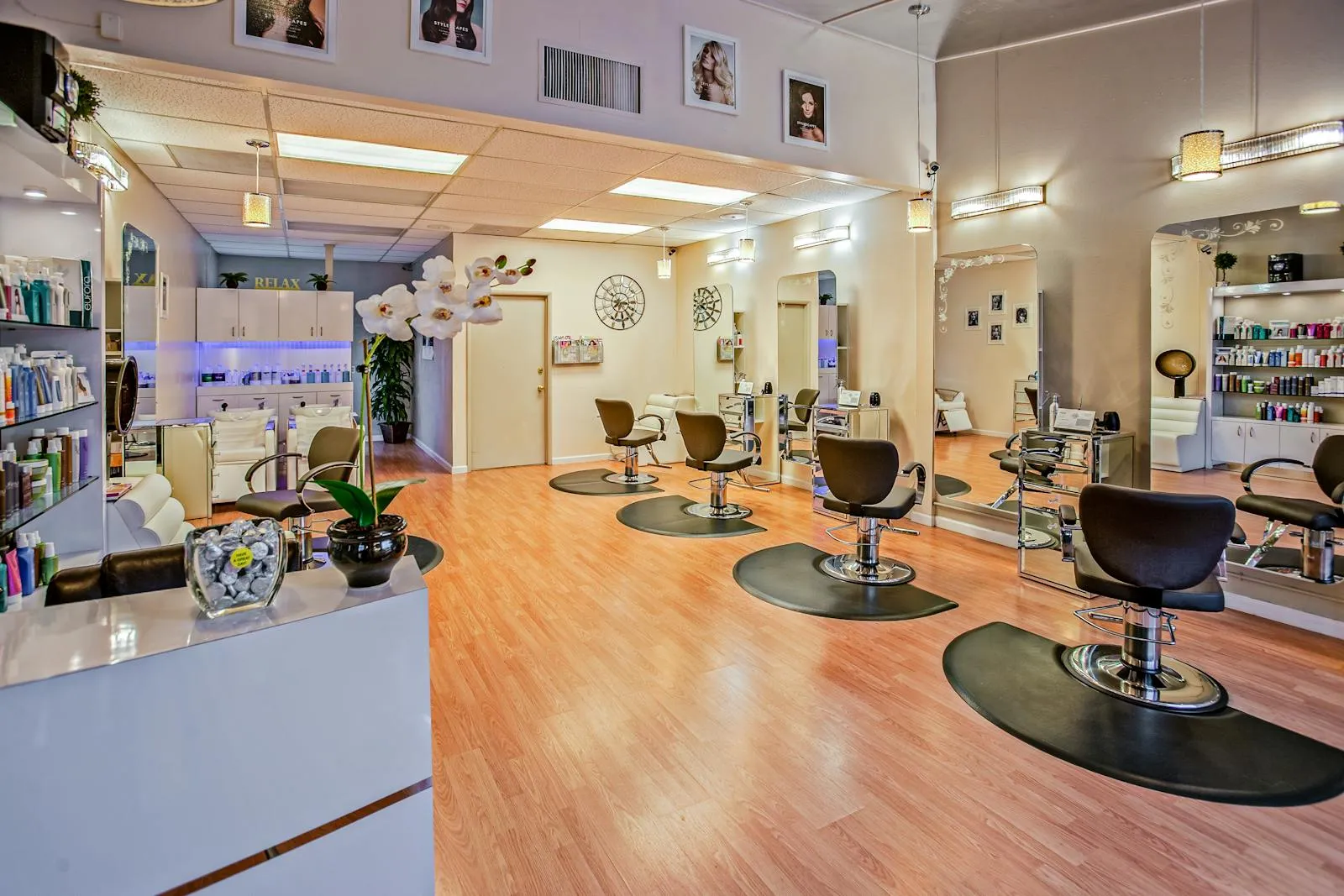
Bali draws people who want to come back different. Better hair. Better skin. A few things sorted that daily life at home keeps pushing aside. This guide covers everything available — what each treatment actually is, what to expect, and where to go deeper.
Hair Colouring
Hair colouring is one of the primary reasons people book beauty appointments in Bali. The combination of good salons, competitive prices relative to Europe or Australia, and having actual time to sit through a four-hour appointment makes the island an unusually good place to invest in colour work.
The range of colouring techniques available is wide, and the terminology is often used loosely — a few minutes understanding what each actually involves will help you book the right thing.
Balayage is the most requested technique globally. It is a freehand painting method where colour is swept onto the hair surface rather than applied through foils or caps, creating soft gradations that look natural and grow out gracefully. It takes three to four hours done properly. The balayage guide covers everything from technique to preparation to aftercare.
Airtouch takes the freehand principle further — a hair dryer is used to lift away the finest, most fragile strands before paint is applied, concentrating the colour on stronger sections only and resulting in an exceptionally seamless, natural root transition. It is particularly effective on fine hair. Full detail in the airtouch guide.
Highlights use foils to isolate sections and create defined contrast. More structured than balayage, more precise in placement, better suited to clients who want visible brightness rather than the soft dimensional look balayage provides. The highlights guide explains the technique and what it is best suited for.
Full bleaching lifts the entire head to a light base — whether as the final goal (platinum, icy blonde) or as preparation for a vivid fashion colour. It is among the most technical and hair-intensive services available. The bleaching guide is required reading before booking.
Combination colouring blends techniques — commonly balayage with foil highlights at the root area, or bleaching combined with toning — to create results neither method achieves alone. The combination guide covers when and why to combine approaches.
Lowlights and colour correction address situations where hair has been over-lightened, unevenly coloured, or where depth needs to be added back. Colour correction is complex work that often takes multiple sessions. The colour correction guide explains what is realistic and what to expect.
Single-process colour is a single shade applied evenly — covering grey, shifting tone, or refreshing existing colour. It is the most straightforward colouring service and the quickest. The single-process guide covers when this is the right choice.
Hair Care and Treatments
Bali's climate is specifically harsh on hair. Sun exposure accelerates colour fading. Salt water strips moisture and roughens the cuticle. Chlorine from pools does the same. The result for many visitors after a week or two is hair that looks dull, feels dry, and behaves unpredictably.
Keratin treatments are the most impactful single service for managing all of this. A keratin treatment bonds a protein-based formula into the hair shaft, dramatically smoothing the cuticle, eliminating frizz, and making hair behave consistently in humidity rather than reacting to it. The effect lasts three to six months. It is particularly valuable before returning home from a Bali trip — your hair will manage itself for the rest of your travel and through the first months back. The keratin guide covers the process, the different formulas, and the timeline for when to book relative to other colour services.
For general hair health in a tropical environment — how to protect colour from salt and UV, what products actually work, and why Bali specifically accelerates hair damage — the tropical hair care guide covers it in full.
Cuts and Styling
A good haircut is the most undervalued beauty service. It costs less than colour. It takes less time. And it affects how your hair behaves every day until the next one.
At Rose Petal, cut consultations are structured the same way colour consultations are: an examination of your hair's current condition, a discussion of what you want, and an honest conversation about what works for your texture and face shape. The haircut and technique guide covers what differentiates quality cutting from perfunctory trimming — and why the technique your stylist uses matters more than just the length they take off.
Facials and Skincare
Professional facials in Bali range from the purely relaxing to the genuinely clinical. The distinction matters, particularly if you have specific skin concerns.
Device-based facial treatments — LED light therapy, microcurrent, radiofrequency facial, ultrasonic peels — address concerns at a cellular or structural level that topical products cannot reach. They treat pigmentation, fine lines, loss of firmness, and textural issues with measurable results, not just temporary surface-level effects. The professional facial technology guide explains each device, what it does, and what skin concerns it is best suited for.
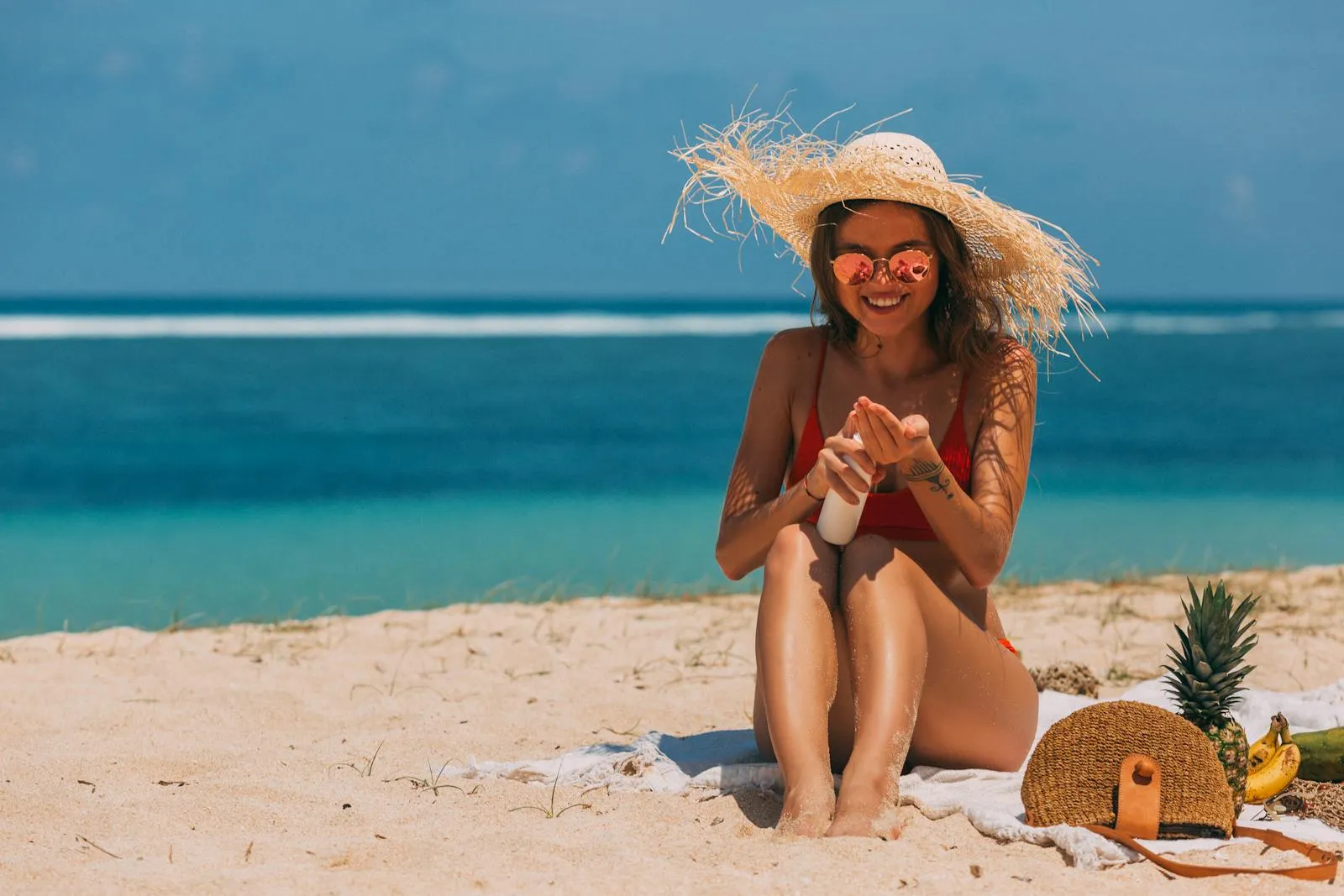
Bali also creates some skin challenges that are worth understanding before you arrive. Sun exposure, salt water, and chlorine are the three main aggressors — all drying, all capable of compromising your skin's barrier function, and all present in higher concentrations in Bali than in most visitors' home environments. The skincare guide for sun, salt, and chlorine exposure covers how to protect and recover skin across a Bali stay.
Body Contouring
Body contouring has undergone a significant technical evolution over the past decade. The category now encompasses several distinct technologies — each working through different mechanisms — and understanding what each one does makes it considerably easier to choose the right approach.
Fat freezing (cryolipolysis) uses controlled cooling to permanently destroy fat cells in targeted areas without surgery or downtime. Results are gradual — the destroyed cells are processed and eliminated by the body over eight to twelve weeks — and permanent for the fat cells destroyed. It is best suited to areas of stubborn fat that resist diet and exercise. The fat freezing guide covers the science, the process, candidacy, and what to realistically expect.
Radiofrequency (RF) works through heat rather than cold — stimulating collagen production and tightening skin at the same time as addressing the fat layer. It is particularly effective for skin laxity and is frequently combined with other contouring treatments. The RF guide covers what the technology does and when it is the right choice.
Cavitation uses low-frequency ultrasound waves to break down fat cell membranes, releasing their contents to be processed through the lymphatic system. It requires a course of sessions rather than a single appointment, and works best on softer, more accessible fat deposits. The cavitation guide explains how the technology works and what to expect across a treatment course.
EMS (Electrical Muscle Stimulation) is different from the above — it targets muscle rather than fat directly, stimulating contractions that strengthen and define muscle tissue. It complements fat reduction treatments by addressing the muscle layer beneath and is particularly popular for abdominal definition. The EMS guide covers the mechanism and how to combine it effectively with other contouring work.
For a direct comparison of all four technologies — which one to choose for specific goals, and how they work together — the fat freezing vs RF vs cavitation vs EMS guide is the most useful starting point. The non-surgical body contouring overview provides the broader context.
Lash Extensions
Lash extensions add semi-permanent individual extensions to your natural lashes, creating volume, length, and definition that mascara cannot replicate — and that holds through water, heat, and Bali conditions without any daily maintenance.
The choice between extension styles — classic (one extension per natural lash for natural definition), hybrid (a mix of classic and volume), and volume (multiple fine extensions per natural lash for dramatic density) — depends on your natural lash density and the look you want. All styles last four to six weeks with proper care and require infill appointments as natural lashes shed their cycle. The lash extensions guide covers every style in detail, preparation, aftercare, and the questions to ask before booking.
For those who prefer a lower-maintenance option, a lash lift and tint is worth considering. The lift curls your natural lashes from the root — creating the appearance of length and openness without any extensions. A tint darkens them simultaneously. The result is low maintenance, lasts six to eight weeks, and is particularly good if you want to simplify your routine while in Bali. The lash lift and tint guide covers the process and who it works best for.
Brow Shaping and Treatments
Brows have more impact on facial structure than almost any other single feature, and brow services range from quick maintenance to semi-permanent results.
Microblading is the most significant brow investment available — a semi-permanent technique where pigment is deposited into the skin using fine strokes that mimic natural brow hairs. The results last one to three years and effectively redesign the brow's shape, density, and definition. It requires a patch test, a detailed consultation, and a touch-up appointment four to six weeks after the initial session. The microblading guide covers everything including candidacy, the healing timeline, and what to expect from the result.
Brow lamination is a non-permanent treatment that restructures the brow hairs into a more uniform, upward-brushed position — giving the appearance of fuller, more defined brows without pigment or semi-permanent commitment. It lasts four to six weeks and is an effective solution for brows that are naturally sparse, unruly, or grow in different directions. Combined with a shape and tint, the result is considered and polished. The brow lamination guide explains the process and how it compares to other brow treatments.
Nails
Nail services in Bali range from basic manicures to detailed nail art — and in Bali's conditions, the choice of finish matters more than it might elsewhere.
Gel nails are the practical choice for a tropical climate. Unlike regular polish, gel is cured under UV and bonds to the nail surface in a way that resists chipping, peeling, and the accelerated wear that comes from sun, sea, and general outdoor activity. A gel manicure in good hands lasts two to three weeks in Bali conditions. The gel nails guide covers application, care, and why gel specifically performs better in tropical environments.
Classic manicure and pedicure remain the foundation — nail shaping, cuticle care, hand and foot treatment, and polish. A well-executed classic manicure uses technique that most budget nail bars skip: proper cuticle preparation, a smooth surface free of ridges, and correct polish application that prevents peeling at the edges. The classic manicure and pedicure guide covers what differentiates a quality manicure from a rushed one.
Nail art ranges from subtle textures and French variations to detailed hand-painted designs and embellishment work. In Bali, nail art has a strong following — the clientele includes people with genuine interest in nail artistry as much as people wanting a simple finish. Work with your nail technician on reference images: the clearer the brief, the more precise the result. The nail art guide covers styles, complexity levels, and how to prepare for a nail art appointment.
Bridal and Event Beauty
Bali's destination wedding scene has grown considerably, and the beauty requirements for an outdoor Bali event are specific. Heat, humidity, direct sun, and the emotional intensity of the occasion all require a different approach to formulation, timing, and planning.
The bridal and event beauty guide covers the complete picture — makeup formulation for tropical conditions, hair styling strategies for humidity, the optimal booking timeline for each service (lash extensions three to five days before, nails one to two days before, hair and makeup on the day), and how to plan a group beauty schedule for a bridal party. If you are planning a wedding or significant event in Bali, that article is the most practical single resource available.
How to Choose a Salon
With the breadth of options available in Bali, knowing how to evaluate quality before booking is worth more than any specific recommendation.
The key signals are consistent across all service categories: a thorough consultation before starting any work, transparency about products and pricing, specialist staff rather than generalists, and a willingness to say no when a treatment is not right for your hair or skin. The red flags are equally consistent: rushing, unknown products, no portfolio of real work, and promises that are too good to be specific.
The how to choose a beauty salon in Bali guide covers the full framework — red flags, green flags, and the specific questions to ask before booking anywhere on the island.
Where to Start
If you are new to Rose Petal, the first visit guide covers everything — how to find us, how to book, what to expect from the consultation and treatment, and what the lounge and terrace offer in the time between services.
For longer context on what Rose Petal is, why it was built, and what makes it different from the options on either side of the quality spectrum, why we built Rose Petal is worth reading.
Rose Petal is a beauty center on Jalan Labuansait in Uluwatu offering hair, facials, lashes, brows, nails, and body treatments daily from 10 AM to 7 PM — with a lounge bar, sunset terrace, and co-working space. To book your appointment, visit rosepetalbali.com or message us on WhatsApp.
Beauty, refined.