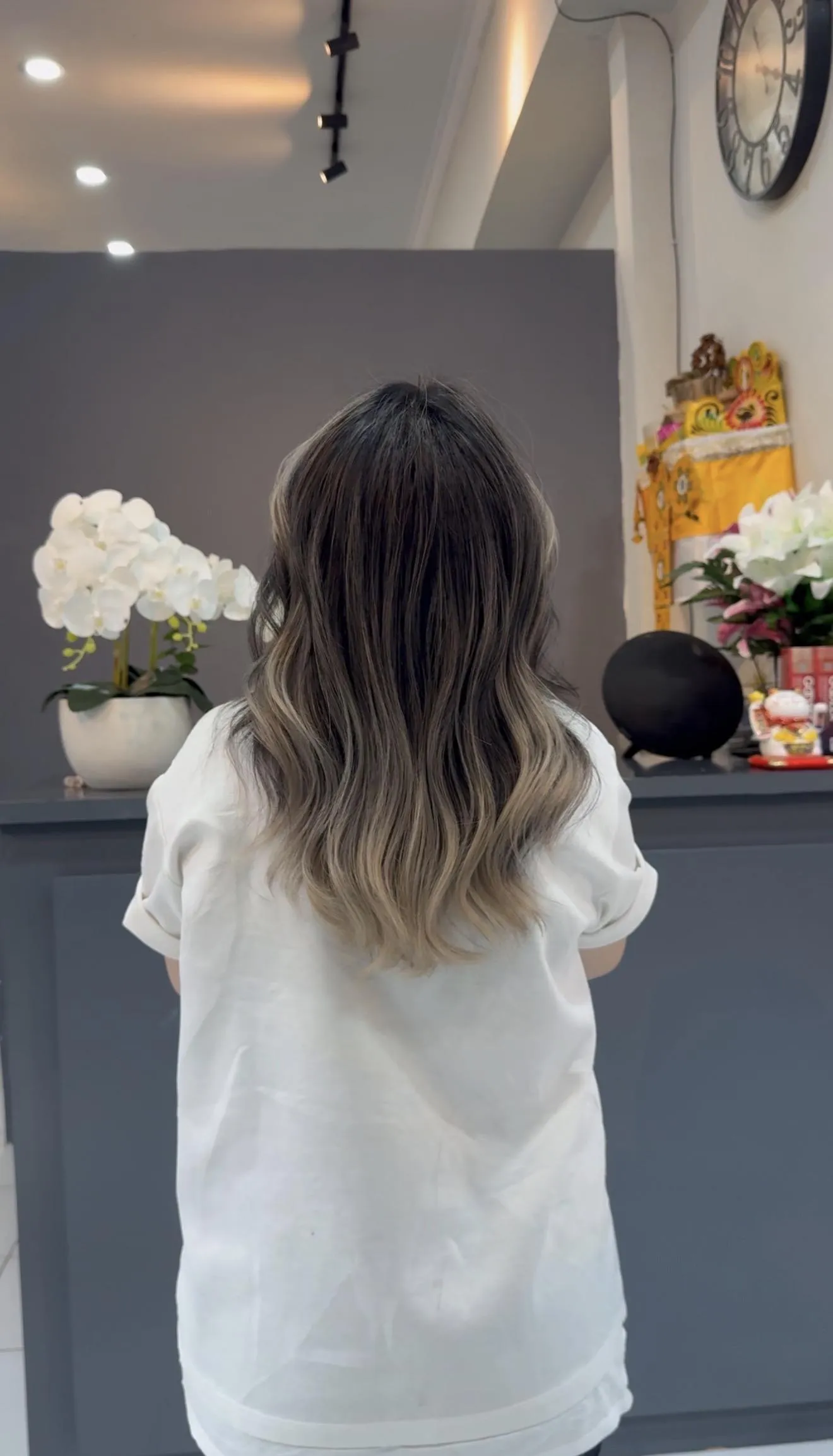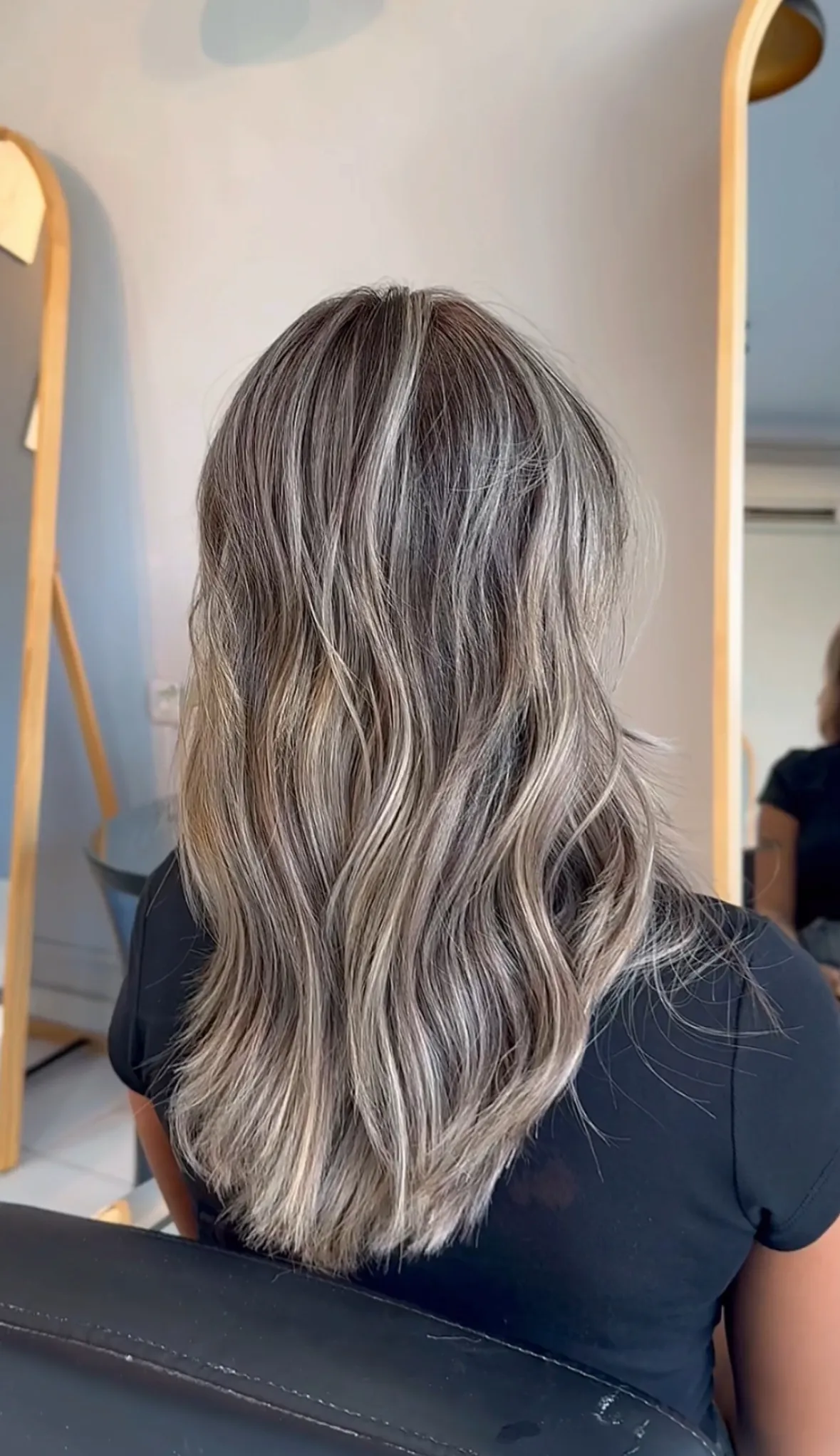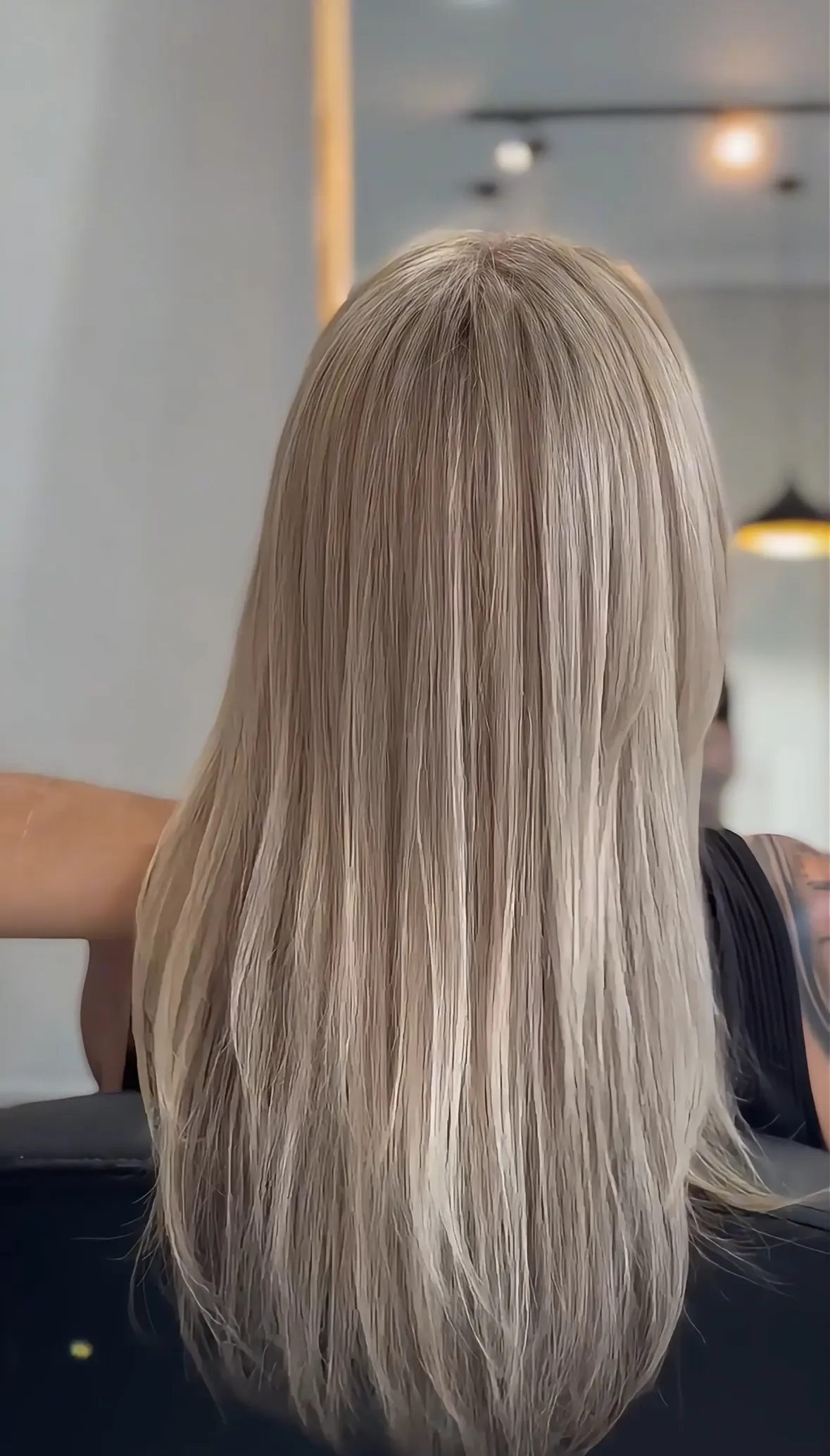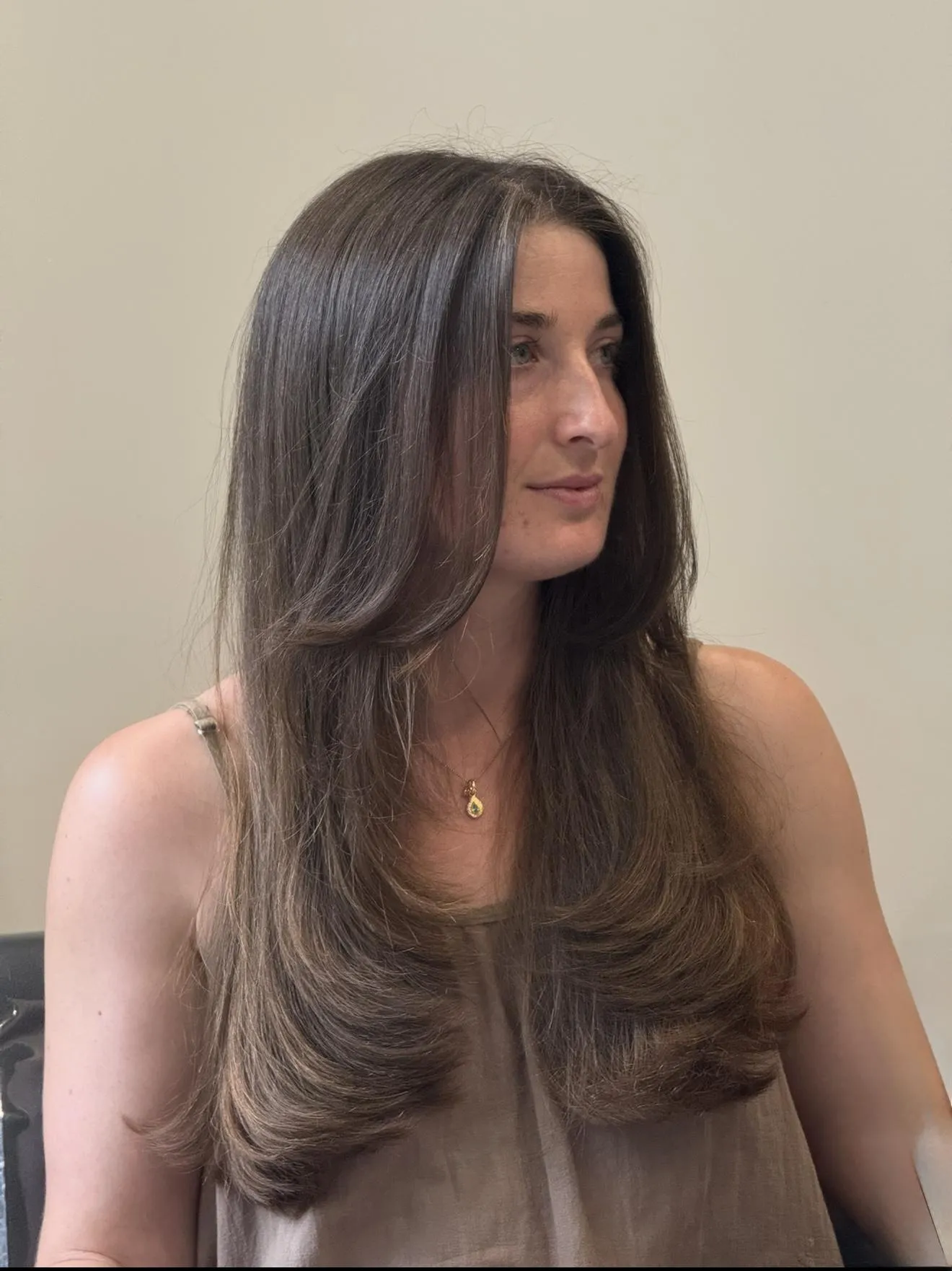
Every colour service, every treatment, every styling effort starts with one thing. The cut. Get it right and everything else is easier. Get it wrong and nothing else fully compensates.
Why the Cut Is the Foundation
A good haircut does something that neither colour nor products can replicate: it determines how the hair falls and moves on your specific head. The weight distribution, the angle of each section, the length decisions — these govern what your hair does when it dries naturally, when it moves in the wind, and when it lands against your face.
An average cut looks acceptable on the day when it has been styled in the salon. A good cut still looks right a week later, with minimal effort, in Bali's humidity. The difference is not about scissors quality or experience alone — it is about the decisions made before a single strand is cut.
The Consultation
The consultation is where a haircut is actually designed. Everything that happens after is execution.
A stylist doing their job properly is asking three things before they begin. What your face shape is — the proportions and angles that determine which lengths and silhouettes are flattering versus unflattering for you specifically. What your hair does naturally — its density, texture, growth direction, how it responds to humidity, where it holds weight and where it collapses. And what your life looks like — how much time you spend on daily styling, whether you are in and out of the ocean, whether your work environment demands a particular look or allows for something more relaxed.
These three things together determine the cut. Not a reference image alone, not a trend, not what looked good on someone else. The reference image is useful as a starting point for the conversation, but the experienced stylist is translating that image through the lens of your specific hair and face to produce what will actually work for you.
Face shape matters more than most people acknowledge. A blunt collarbone-length bob can look architectural and elegant on a person with strong angular features. On a rounder face, the same cut emphasises width in ways the client did not anticipate. Layering, length, and the position of the heaviest part of the cut relative to the face are adjustments the stylist makes based on these proportions. The goal is not to follow a formula but to understand the geometry of the face and cut accordingly.
Technique Differences
How the scissors move through the hair determines the final texture as much as where the cut falls.
Blunt cutting — where the scissors close horizontally across a section — produces a clean, defined edge. Used on the perimeter of a cut, it creates a solid line at the length. Used through the interior, it maintains weight. Blunt cuts are bold, deliberate, and high-contrast. They look sharp when they are fresh and require consistent maintenance to stay clean.
Point cutting — where the scissors angle into the ends of the hair — removes some of the bulk at the tips and creates a softer, less defined edge. Point cut ends move more naturally and blend better into shorter layers above them. The finish looks lighter and less architectural than a blunt cut.
Texturising and slide cutting remove internal bulk without changing the perimeter length significantly. On dense hair, texturising reduces weight and allows the cut to fall closer to the head. On fine hair, used carefully, it creates the illusion of movement. Used incorrectly on fine hair, it thins the hair to the point of looking sparse — it requires judgment about how much weight can be safely removed.
Layering creates weight distribution across the length of the hair rather than concentrating it at the ends. Long layers are almost invisible in straight hair but add significant movement in wavy or curly hair. Short layers frame the face and add volume at the top. The spacing and blending of layers determine whether the cut moves fluidly or sits in obvious tiers.
Cutting for Bali's Climate
Hair in Bali behaves differently than hair in a temperate or air-conditioned environment. The humidity causes the cuticle to absorb moisture and swell, which means hair expands, particularly in width. Frizz is the most visible manifestation, but the structural reality is that hair in Bali's humidity is in a constant state of slight swelling and redistribution.
A cut designed for a dry climate may look completely different in Bali. Dense hair cut with too much internal weight becomes a wedge shape in humidity rather than the smooth rounded form it had in the salon. Fine wavy hair cut with too little layering loses its wave definition when the length collapses under humidity-added weight.
The adjustment is in texturising and layering decisions. More internal weight removal on dense hair. More layering on wavy and curly hair to support the wave pattern when the hair is moist. Less blunt perimeter on any hair that has frizz tendencies — softer edges at the length blend better when the hair is doing something slightly unpredictable.
A stylist familiar with working in tropical climates approaches these decisions differently than one who has trained and worked exclusively in temperate conditions. The result is a cut that actually looks good on a typical Uluwatu morning, not just in the controlled environment of an air-conditioned salon. For the full picture of managing your hair in Bali's climate day-to-day, the hair care in Bali guide covers the environmental factors and practical routines in detail.
Men's Cuts
The principles are the same: consultation, face shape, texture, and lifestyle — executed differently. Men's cuts are typically shorter, which means growth pattern matters more. Cowlicks, double crowns, and hairline recession are technical factors that determine which cut will sit naturally and which will require daily effort to look intentional.
Clipper work requires the same judgment as scissor work. The fade line — where the clipped sides transition to the longer top — has a height and gradient that should be matched to the face shape. A high tight fade on a narrow face can look severe. A low fade on a wider face can add width. These are adjustable, but only if the stylist is paying attention to what the face is doing.
Styling and Blow-Dry
The way a cut is finished in the salon demonstrates what it can look like — not necessarily what it will look like every morning. A good stylist blows out the cut in a way that shows you the shape and what the styling options are, while also being honest about what the hair will do with minimal daily effort.
For colour appointments, the blowout at the end of the service shows the full result of the colour in its best possible light. Booking a cut alongside a colour service rather than separately means the weight distribution, the perimeter, and the layer placement are all re-evaluated with the new colour in mind.
For events — weddings, formal dinners, special occasions — an appointment for a cut and blow-dry rather than just a blow-dry gives you the freshest possible version of your look. For details on beauty preparation for events and occasions in Bali, the event and bridal beauty guide covers timing and service combinations.
A first visit to Rose Petal for a cut covers everything described here — consultation, technique discussion, and a finish that gives you a clear picture of what the cut does. More on what to expect during your first visit.
For the full range of beauty services available in Bali, the Bali beauty guide is the place to start.
Rose Petal is a beauty center on Jalan Labuansait in Uluwatu offering women's cuts, men's cuts, and blow-dry styling daily from 10 AM to 7 PM — with a lounge bar, sunset terrace, and co-working space. To book your appointment, visit rosepetalbali.com or message us on WhatsApp.
Beauty, refined.