Nail art is one of the most technically varied services in a beauty salon, with a range that runs from a single fine-line accent to weeks of painstaking hand-painted work. Understanding what is involved — time, technique, and what holds up in a humid climate — makes the whole process easier.
What Nail Art Actually Encompasses
The term covers a wide range of techniques, and knowing the difference helps set realistic expectations for appointments.
Hand-painted designs are the most versatile. Using ultra-fine brushes and gel or acrylic paint, a nail artist can produce anything from abstract brushstrokes to precise botanical illustrations directly on the nail surface. The quality ceiling here is high, and the time required reflects it.
Stamping transfers a pre-etched pattern onto the nail using a stamping plate and scraper. It is faster than freehand painting and produces very consistent, repeatable results. Good for geometric patterns and intricate repeated motifs.
Foils are metallic or holographic transfer materials applied to the nail surface. They produce finishes that range from a subtle shimmer to full metallic coverage, in gold, silver, rose gold, and iridescent effects. Application is fast; the visual impact is disproportionate.
Chrome and mirror powders are rubbed onto a tacky gel surface to create a reflective finish. Chrome is not a topcoat — it is a pigment applied between gel layers, which gives it better durability than a surface application would.
Encapsulated elements — dried flowers, glitter, thin foil pieces, and similar materials — are embedded within the gel itself rather than sitting on top. This protects the element from wear and gives the nail an almost three-dimensional internal depth.
3D sculptural elements — raised gems, cast shapes, resin designs — add actual texture and height to the nail. These are the most fragile category in the tropics, for reasons covered below.
Style Categories
Nail art broadly divides into four reference points, though most appointments pull from more than one.
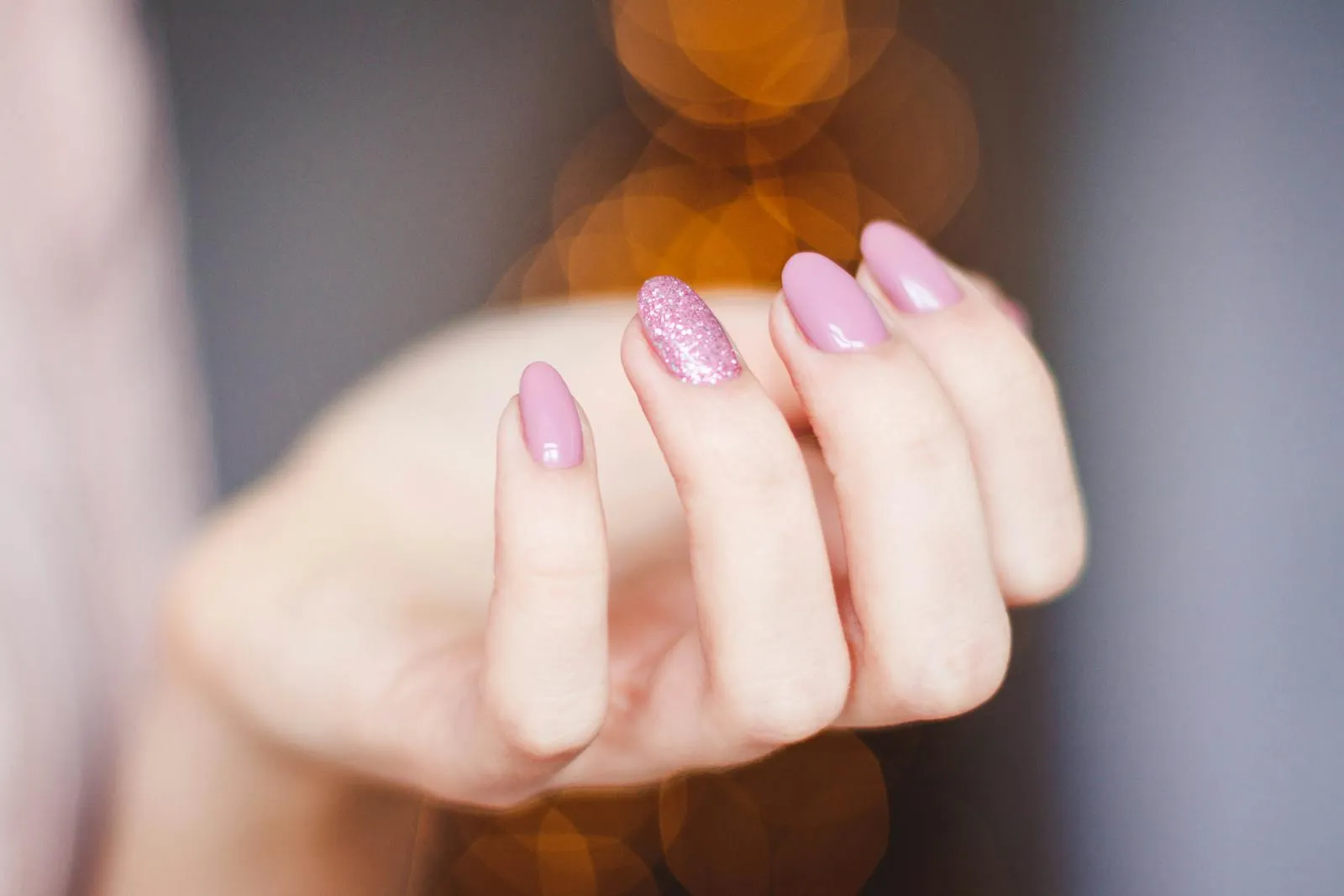
Minimal / clean girl: Sheer or nude base, thin French tips, negative space, single fine-line accents. Fast to apply, office-appropriate, and currently dominant in editorial reference imagery. This category ages the best and is easiest to communicate.
Abstract: Brushstroke patterns, colour-blocking, marble effects, organic lines. More interpretive than minimal, which means the artist's eye is as important as the brief. Showing reference images here is particularly useful.
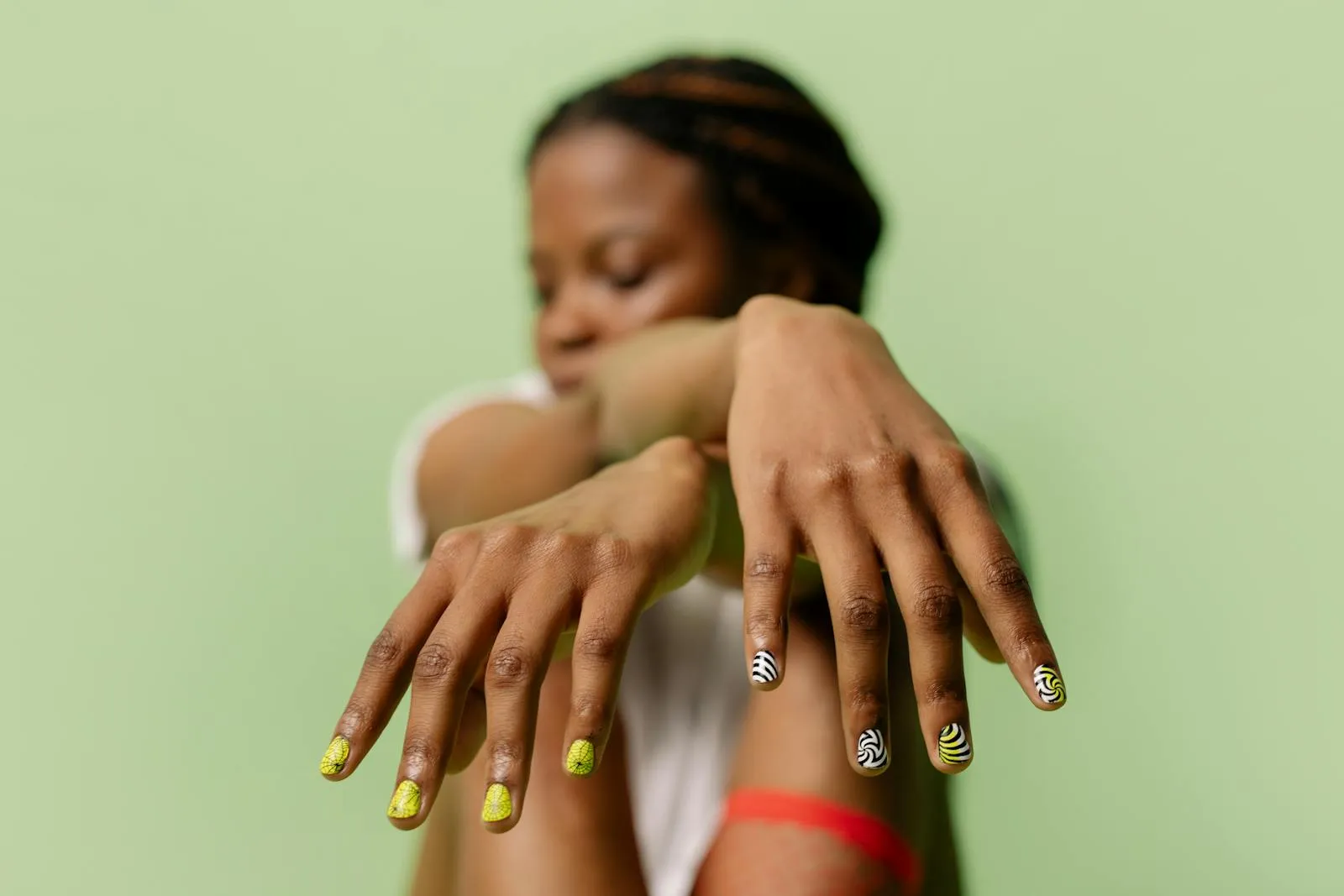
Maximalist / pattern work: Florals, geometric repetition, detailed characters, tiled designs across multiple nails. These take time — allow two to four additional hours beyond a standard gel manicure depending on complexity.
French variations: The classic French tip has expanded considerably. Coloured tips, floating French (a gap between the tip line and the pink base), reverse French, and glitter-fade French are all current iterations. Precise, technique-dependent, and pairs well with clean oval or almond shapes.
How to Communicate Your Design
Bring reference images. This is not about showing the artist what to copy — it is about showing them what you are drawn to: the mood, the colour palette, the density of detail. Three to five images that share a common feeling tell an artist more than a verbal description.
Be clear about which nails are accent nails and which are base colour. A full set of hand-painted florals is a different conversation to three accent nails with foil detail on a solid base.
Trust the artist's practical input. They will tell you if a design reads differently at your nail size, if a colour combination will not hold contrast under a topcoat, or if the reference image is more complex than it looks. That input is part of what you are paying for.
Time and Pricing
Complexity determines both. A foil or chrome service adds perhaps fifteen minutes to a gel appointment. Hand-painted detail work on every nail adds two to four hours. Pricing reflects this proportionally, which is why nail art menus at professional salons price by element or complexity level rather than offering a single flat rate.
Booking extra time is better than rushing. Nail art done under time pressure shows in the execution.
What Lasts Best in the Tropics
Flat techniques hold up significantly better than raised ones in Bali. Hand-painted designs, foils, chrome, and encapsulated elements sealed under topcoat are protected by the gel itself. They flex with the nail and resist the moisture exposure that comes with beach and pool activity.
Raised elements are more vulnerable. Heavy gems catch on fabric, towels, and bags. 3D resin shapes can lift at the contact point when the nail is repeatedly wet and dried. If you are planning ten days of active beach time, a sculptural 3D set is a beautiful choice for the first few days and a frustrating one by the end.
Gel nails cover the tropical longevity question in full detail — the same principles around humidity, sunscreen, and water exposure apply to any nail art applied over a gel base.
For occasion-specific nail art — events, weddings, or specific aesthetic briefs — the bridal and event beauty guide covers planning and lead times. And for a view across all available services, the full Bali beauty guide provides the broader context.
Rose Petal is a beauty center on Jalan Labuansait in Uluwatu offering custom nail art and gel manicures daily from 10 AM to 7 PM — with a lounge bar, sunset terrace, and co-working space. To book your appointment, visit rosepetalbali.com or message us on WhatsApp.
Beauty, refined.