Gel nails are one of those services that sounds simple until you are peeling one off a week into a Bali trip and wondering what went wrong. The chemistry is real, the climate matters, and how your nails are treated at the end of the appointment matters as much as how they are applied. Here is what you actually need to know.
What Gel Actually Is
Gel polish is not regular nail polish with a different finish. It is a polymer system — a resin that starts in a semi-liquid state and is cross-linked into a hard, durable film under UV or LED light. The curing process triggers photoinitiators in the formula, which kick off a chain reaction that permanently bonds the polymer chains together.
The result is a coating that is harder, more flexible, and significantly more durable than air-dried lacquer. It does not dent when it is dry. It does not smudge three hours later on a seat belt. Done well, it looks flawless from day one to the moment you decide to change it.
That chemistry is also why removal requires acetone rather than standard nail polish remover. The cross-linked polymer bonds do not dissolve in ethanol or regular solvents. Only prolonged contact with acetone breaks down the film slowly enough to lift it without force — which matters a great deal, as we will get to.
Why Gel Behaves Differently in the Tropics
Gel manicures that last four weeks in London or Sydney sometimes lift within ten days in Bali. The reasons are specific and worth understanding.
Humidity and Adhesion
Tropical humidity does not damage the gel itself, but it affects adhesion at the nail plate. The nail plate is porous. In high-humidity environments, moisture can work its way under the free edge of the gel layer — particularly if the preparation before application was not thorough. Even a small gap becomes an entry point for water, and once water gets under gel, lifting accelerates.
Cuticle preparation is the most important factor in tropical longevity. If the nail plate is not fully dehydrated before the base coat is applied — if there is any residual oil or moisture — adhesion is compromised from the start. In Bali, with ambient humidity rarely dropping below 70%, this preparation step is non-negotiable.
Sunscreen Chemicals
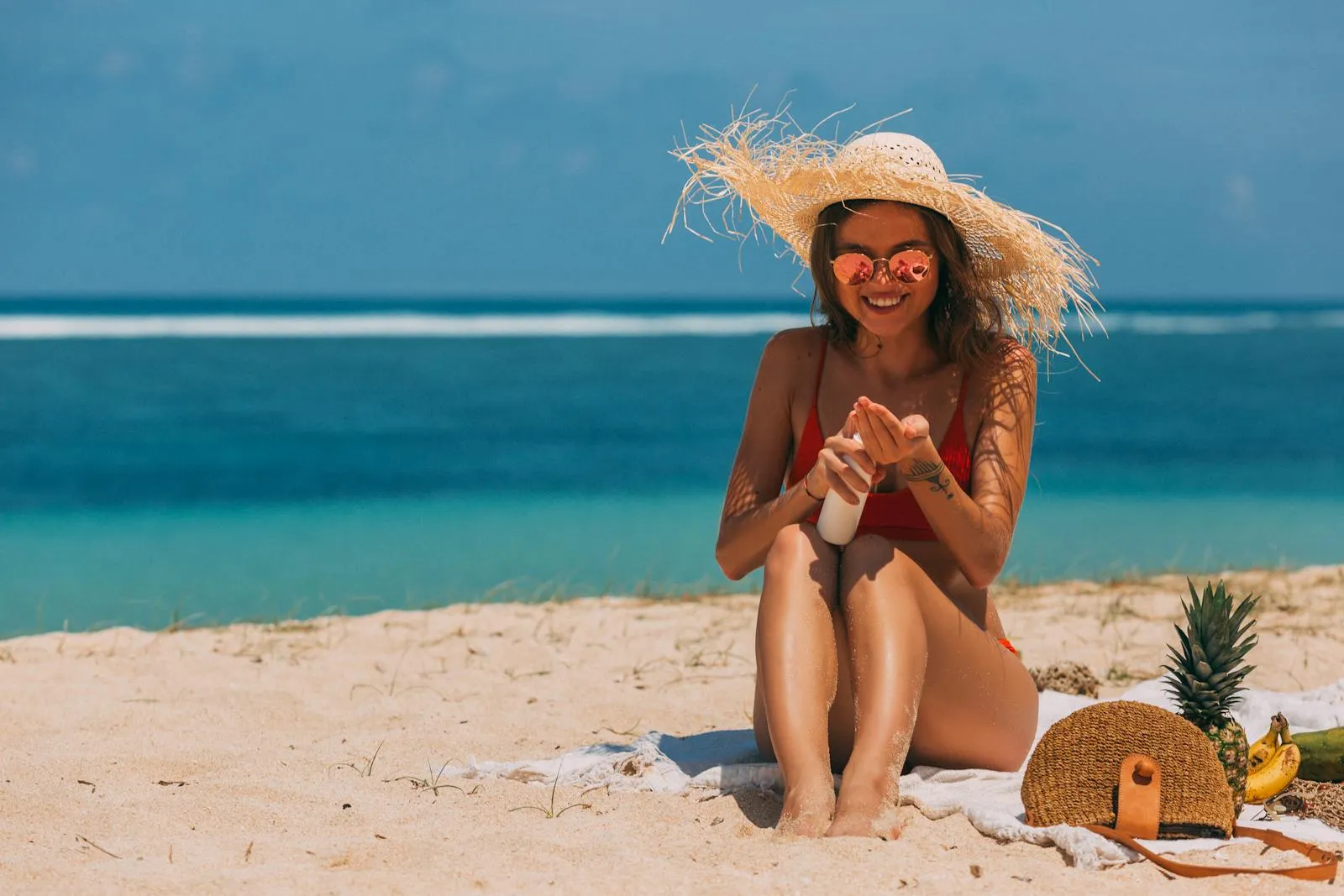
This is the one most people do not anticipate. Many sunscreens — especially SPF 50+ formulas used in beach environments — contain chemical UV filters and emollients that actively break down gel adhesion. Applying sunscreen over gel nails repeatedly, particularly around the cuticle area, accelerates lifting. If you are spending time on the beach or by a pool in Uluwatu, this is happening to your nails daily.
The practical fix is simple: apply sunscreen first, let it absorb fully, and avoid working it into the cuticle area. Use a clear cuticle oil to create a barrier. It will not make your gel indestructible, but it will noticeably extend its life.
Water Exposure
Oceans, pools, and daily showers are all normal in Bali. Each adds up. Extended soaking makes the nail plate swell slightly, which puts stress on the gel bond. Rinsing your hands immediately after swimming and keeping nail soaking time minimal before you are ready for removal both help.
Getting Gel to Last: What Matters Before the Appointment
The decisions made in the hour before application — and in the days leading up to it — affect how the gel performs.
Do not soak your hands before a gel appointment. This seems obvious, but many people arrive from a morning pool session or have been at the beach. Wet nail plates do not accept gel well. If possible, keep your hands dry for a few hours before your appointment.
Arrive without moisturiser on your hands. Any oil or lotion on the nail plate, even trace amounts, will compete with the base coat's adhesion. Your nail technician will dehydrate and prime the nail before application regardless, but arriving with oil-free hands gives them the best possible starting surface.
Mention any supplements. High-dose biotin supplements can affect how gel adheres. It is a minor factor, but worth flagging if you are taking them.
Safe Removal: Why Peeling Is Never Okay
This section exists because the single most common source of gel-related nail damage is not the product — it is removal.
Peeling or prying off gel polish does not just remove the gel. The gel bonds to the uppermost layer of the nail plate, and when it is ripped off, it takes that layer with it. The result is nail plates that are thin, ridged, soft, and prone to splitting — what people describe as "gel ruining my nails." The gel did not ruin them. The removal did.
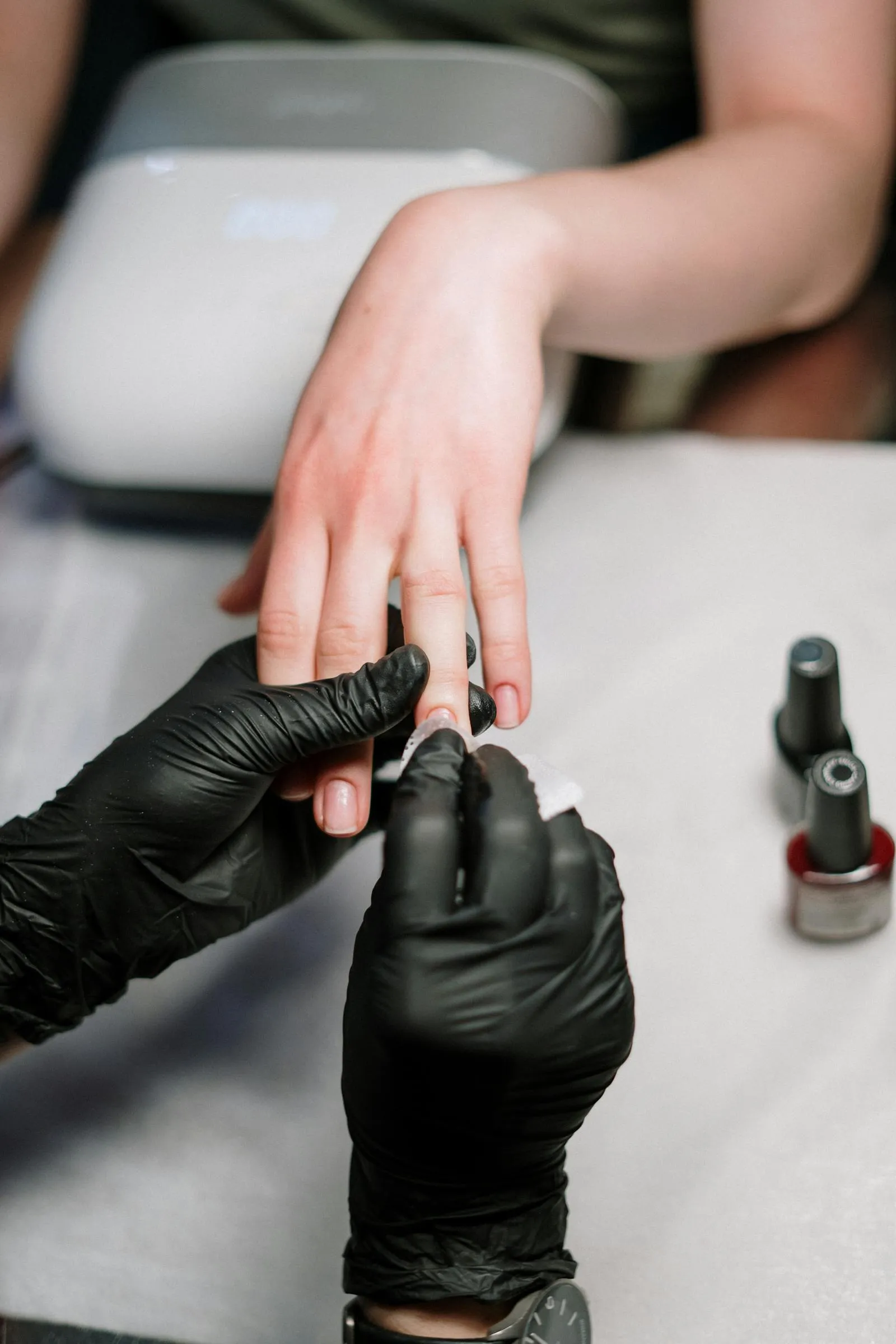
The correct method is a soak-off: acetone is applied to the nail, typically with a foil wrap, and left for ten to fifteen minutes. During that time the polymer network softens and the bond weakens until the gel can be gently lifted away with a wooden stick, leaving the nail plate intact.
This process takes time, which is why some salons skip steps or use mechanical filing to speed things up. Aggressive electric filing on thin natural nails carries its own risk — heat generation and pressure that can thin the plate further. A properly executed soak-off should not require significant physical force at any point.
If you have removed your own gel by peeling and your natural nails are currently thin or damaged, they can recover. The nail plate grows out completely over several months. Regular classic manicures during this period — with cuticle care and nourishing treatments — support that process while keeping your nails presentable.
The Nail Health Question
Gel polish does not damage healthy nails when applied and removed correctly. The nail plate is a keratin structure that does not need to "breathe" between gel applications — that is a persistent myth. Keratin is not living tissue; it does not have metabolic needs.
What gel applications do require is regular professional maintenance. Leaving gel on past its natural lift point — three weeks or more in a tropical climate — allows water ingress and, in some cases, creates conditions where bacteria can develop between the gel and the lifted nail plate. This is the "greenies" problem that occasionally appears in nail discussions: not a gel issue per se, but a consequence of neglected maintenance.
If your gel is lifting at the edges, get it attended to rather than leaving it.
When to Rebook
In Bali's climate, two to three weeks is a realistic interval for gel maintenance. Most people find that the first obvious signs — minimal lifting at a free edge, slight dulling of the topcoat finish — appear around the two-week mark. Whether you go in for a full soak-off and fresh application or a maintenance infill depends on the extent of growth and your preference.
Gel also pairs naturally with nail art, which benefits from the same durable base. If you are spending time at the beach and want your nails to look considered, gel gives you a foundation that actually holds.
For broader context on what sun, salt, and chlorine do to skin and hair alongside nails, the full Bali beauty guide covers the environment in detail. The specific effects on hair are covered separately in hair care in Bali's climate, which runs parallel to many of the same principles. And for the skin side of the same equation — what sunscreen and salt water do daily — the skincare guide for Bali's climate is worth reading alongside this one.
Rose Petal is a beauty center on Jalan Labuansait in Uluwatu offering gel manicures, nail art, and pedicures daily from 10 AM to 7 PM — with a lounge bar, sunset terrace, and co-working space. To book your appointment, visit rosepetalbali.com or message us on WhatsApp.
Beauty, refined.